

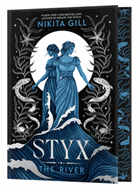
Styx: The River, the stunning second installment of Nikita Gill's Goddesses of the Underworld trilogy (Hekate: The Witch), is a mournful, moving novel-in-verse about the firstborn child of the Titans.
Styx's sisters and brothers, the Oceanids and Potamoi, respectively, are born as multiples. Styx, the eldest, who was born alone, finds solace in companionship with her cousin, Asteria. Together, the girls discover that they have godlike transformative abilities and powers of creation, despite Kronos's decree that only the Potamoi would be allowed to become gods. Styx and Asteria keep their talents hidden for fear of anyone learning what they can do. As the girls grow into formidable young women, Kronos becomes desperate to maintain control and tightens his rule of the Titans.
Styx is set before the downfall of the Titans and traces the events leading up to their war with the Olympians. Gill breathes new life into one of the chthonic goddesses of Greek myth, a figure typically considered more monstrous than sympathetic, by humanizing the events of her life. The novel shifts perspectives between Styx and Asteria, who each narrate their feelings about their friendship and the turmoil that leads to the overthrow of the Titans. Gill expertly uses these shifts in perspective to highlight Styx's loneliness and the impact of familial neglect. Styx invites readers to consider the choices women have in a world that tries to command them; it will likely be appreciated by fans of Sarah Underwood's Lies We Sing to the Sea or Joy McCullough's Blood Water Paint. --Michelle Anya Anjirbag, freelance reviewer